Wondering what really defines Red Mountain at the top end of Aspen real estate? It is easy to assume the story is simply about large homes and big price tags, but this hillside market is more nuanced than that. If you are buying, selling, or simply tracking Aspen’s premier estate areas, understanding how Red Mountain works can help you read value more clearly. Let’s dive in.
Red Mountain in the Aspen market
Red Mountain is not just a casual local label. It sits within the Aspen Urban Growth Boundary, and public planning documents identify it as one of the unincorporated Pitkin County areas inside that boundary.
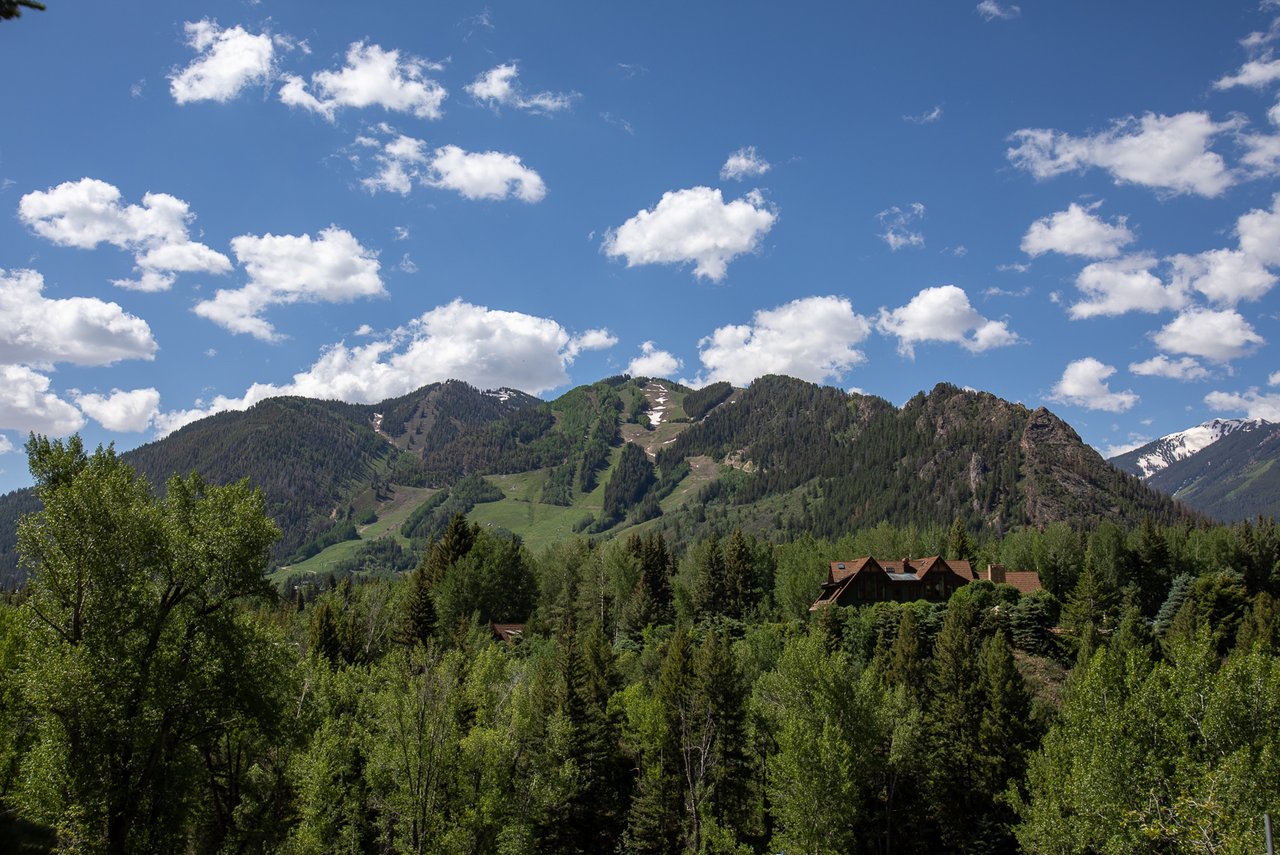
That matters because Red Mountain behaves differently from the compact neighborhoods many people picture when they think of Aspen. County zoning and development guidance point to a hillside environment shaped by scenic regulations, native vegetation considerations, and setback requirements, especially along Lower Red Mountain Road.
In practical terms, Red Mountain is best understood as a land-constrained hillside estate market. It is close to Aspen, but it is not the same as living on a smaller lot in the town core.
Red Mountain homes tend to be estate properties
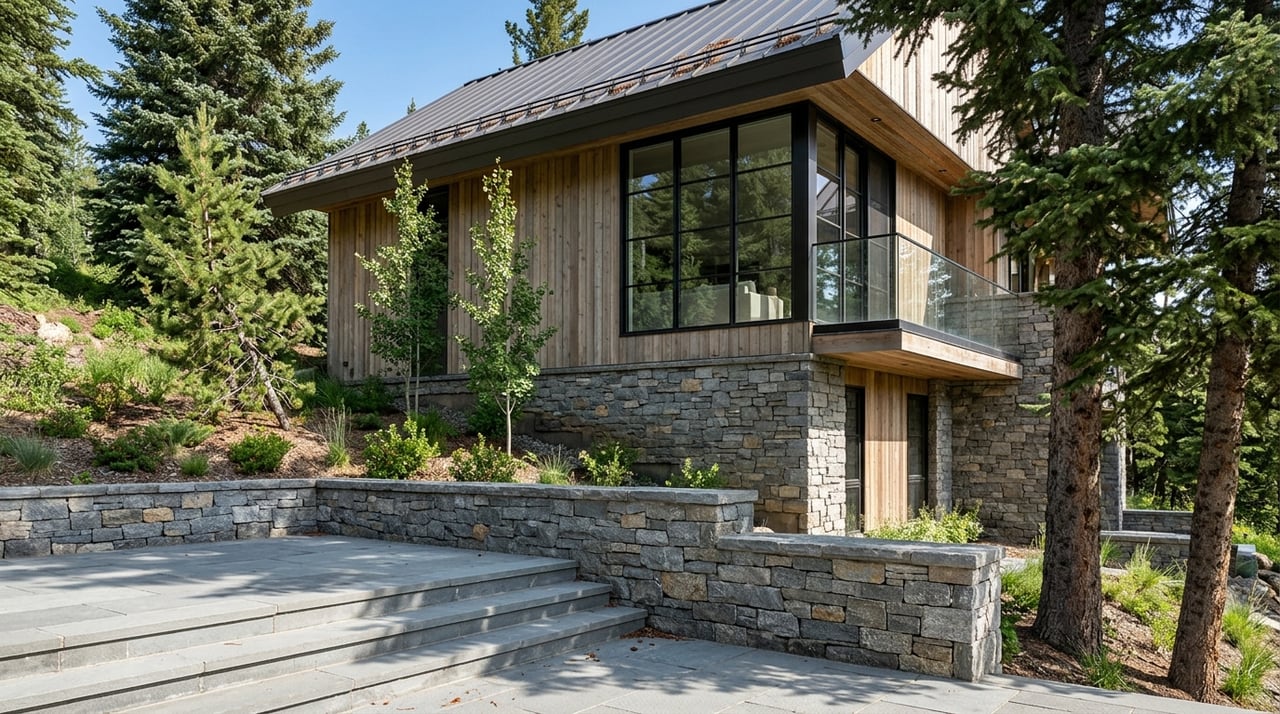
Public sales records show a consistent pattern. Red Mountain is dominated by detached single-family homes, often custom-built, on comparatively generous parcels.
Recent county-recorded examples illustrate the range. They include homes such as 502 Wrights Road at 9,526 square feet on 43,582 square feet of land that sold for $42.25 million, 916 Hunter Creek Road at 7,743 square feet that sold for $23.25 million, and 352 East Reds Road at 8,119 square feet on 1.69 acres that sold for $29 million.
The range also extends below the highest headline sales. County records show 376 Draw Drive at 2,480 square feet on 1.398 acres selling for $11.795 million and 210 Draw Drive at 2,520 square feet selling for $7.5 million.
That spread is important. It shows that Red Mountain is undeniably ultra-prime, but it is not a one-price market.
Why Red Mountain pricing varies so much
In Red Mountain, value is usually about more than bedroom count or square footage. The public data and local regulatory context suggest that pricing is often shaped by a combination of view quality, privacy, site usability, exposure, and the risk that future development could affect sightlines.
Scenic value is not just a marketing phrase. Research on mountain view-sheds has found that views can add measurable value to housing, though the exact premium depends on the market and the quality of the view.
For Red Mountain, the takeaway is not that every view carries a fixed dollar amount. The better inference is that homes with stronger visual orientation, more protected outlooks, and more thoughtful site placement often compete in a different tier than properties with weaker positioning.
Land scarcity shapes the market
One of Red Mountain’s defining features is how difficult it is to replicate. Vacant land is limited, and county land-sale records show that even smaller parcels can command extraordinary prices.
A notable example is 42 Pitkin Way, a 0.83-acre parcel that sold for $28.795 million. That kind of pricing underscores a simple truth: in this part of Aspen, the opportunity to build or significantly reposition an estate can itself be a rare asset.
Because of that, buyers often look beyond the house alone. They also consider what the site allows now, what may be constrained by county review, and how the parcel fits long-term privacy and view priorities.
Red Mountain versus in-town Aspen
A common question is whether Red Mountain sits above the West End or downtown Aspen in a strict hierarchy. The public sales data suggest the answer is no.
In-town Aspen can post equally striking sale prices. County records show examples such as South West End Street at $48.75 million and South Galena Street at $65 million.
The difference is less about one area being universally better and more about the type of ownership experience you want. Red Mountain is generally the larger-site, view-forward hillside estate option, while in-town Aspen more often offers a compact, walkable, and urban lot profile.
That contrast helps explain why buyers cross-shop these areas carefully. You may be choosing between land and immediate town access, or between broader visual privacy and a more central setting.
Current Aspen conditions matter for Red Mountain
No Red Mountain analysis should ignore the broader Aspen backdrop. Aspen’s June 2026 year-to-date single-family report shows a softer market compared with the prior period, with 95 new listings, 31 sold listings, a median sales price of $11.25 million, an average sales price of $13.72 million, 91.9% of list price received, 245 days on market, and 20.3 months of supply.
That data points to a market with more choice and more time in the process than many sellers became used to in faster cycles. June 2026 inventory stood at 115 homes, reinforcing that buyers are operating in a more selective environment.
Pitkin County’s broader 2025 real estate report adds similar context. Total sales volume reached $3.7 billion across 567 transactions, while transaction count fell 16% from 2024 and the countywide median single-family price reached $8.35 million.
What that means for Red Mountain sellers
If you are selling on Red Mountain, the market is still capable of rewarding exceptional properties. But the current environment suggests that not every estate will be treated the same.
Homes with stronger view protection, more compelling site planning, and a more current condition may hold attention more effectively. Properties with dated finishes, less efficient layouts, or weaker privacy may face longer marketing times or more negotiation.
That makes positioning especially important. In a market where buyers have more room to compare options, pricing discipline and presentation quality can influence whether a listing feels rare or simply expensive.
What buyers should evaluate closely
If you are considering a Red Mountain purchase, it helps to look past the headline and study the site. On this hillside, not all parcels deliver value in the same way, even when the asking prices appear similar.
Focus on questions like these:
- How open and durable are the views?
- How much privacy does the property actually provide?
- How usable is the land beyond the home footprint?
- How does access work from the road?
- How might zoning, setbacks, scenic regulations, or vegetation rules affect future plans?
These details can shape both your day-to-day enjoyment and your long-term resale outlook. In a market like Red Mountain, the difference between a good property and a standout property is often found in those finer points.
Why careful market definition matters
Another subtle issue in Red Mountain is that public records do not always use one clean label. Sales and parcel references may appear under names such as Red Mountain, Ridge of Red Mountain, Red Mountain Ranch, Pitkin Green, Pitkin Reserve, and nearby Starwood or McLain Flats designations.
That means broad market comparisons can be misleading if the boundaries are not defined carefully. A sale that sounds comparable on paper may belong to a related but distinct estate corridor.
For buyers and sellers alike, this is where local interpretation matters. Reading the market well requires more than pulling a few sales. It requires understanding which hillside segment is actually being measured and why that distinction affects value.
Red Mountain remains one of Aspen’s signature estate markets
Red Mountain continues to stand out because it offers a combination that is hard to duplicate in Aspen: proximity to town, a hillside setting, larger parcels than many in-town alternatives, and a strong emphasis on views, privacy, and design fit.
At the same time, this is a market that rewards precision. Broad assumptions can miss the mark, especially in a softer Aspen environment where buyers are weighing each property more carefully.
Whether you are evaluating an acquisition, preparing an estate for sale, or considering a land purchase, success on Red Mountain often comes down to understanding the relationship between site, setting, and scarcity. For a confidential conversation about Aspen’s premier estate markets, connect with Palladium Group.
FAQs
Is Red Mountain in Aspen mostly single-family homes?
- Yes. Public Pitkin County sales records show Red Mountain is largely made up of detached single-family estates, with occasional land sales rather than a large mix of attached housing.
Are views important to Red Mountain home values?
- Yes. Views are widely understood to add value, and both research and the local market context suggest that stronger view quality and better sightline protection can influence pricing.
How does Red Mountain compare with downtown Aspen or the West End?
- Red Mountain is generally known for larger-site hillside estates, while in-town Aspen areas often have a more compact lot pattern and a more urban feel, even though both can achieve very high sale prices.
Is Aspen’s market softer right now?
- Aspen’s 2026 year-to-date single-family data show fewer sales, longer days on market, more inventory, and lower median and average prices than the prior year, which suggests a more selective market backdrop.
Why do Red Mountain prices vary so widely?
- The sales range reflects differences in view quality, privacy, lot utility, home condition, site planning, and how each property fits the hillside setting.
Is vacant land on Red Mountain still rare?
- Yes. County land records indicate that available estate parcels are scarce and can command very high prices, which supports Red Mountain’s long-term appeal as a limited-supply market.