Thinking about buying a historic home in Aspen’s West End? It is easy to fall for the architecture, mature trees, and quiet residential feel, but these properties ask for a more careful buying approach than a typical home search. If you understand how historic status, city review, and renovation planning can shape your options, you can move forward with more clarity and confidence. Let’s dive in.
Why West End homes require extra diligence
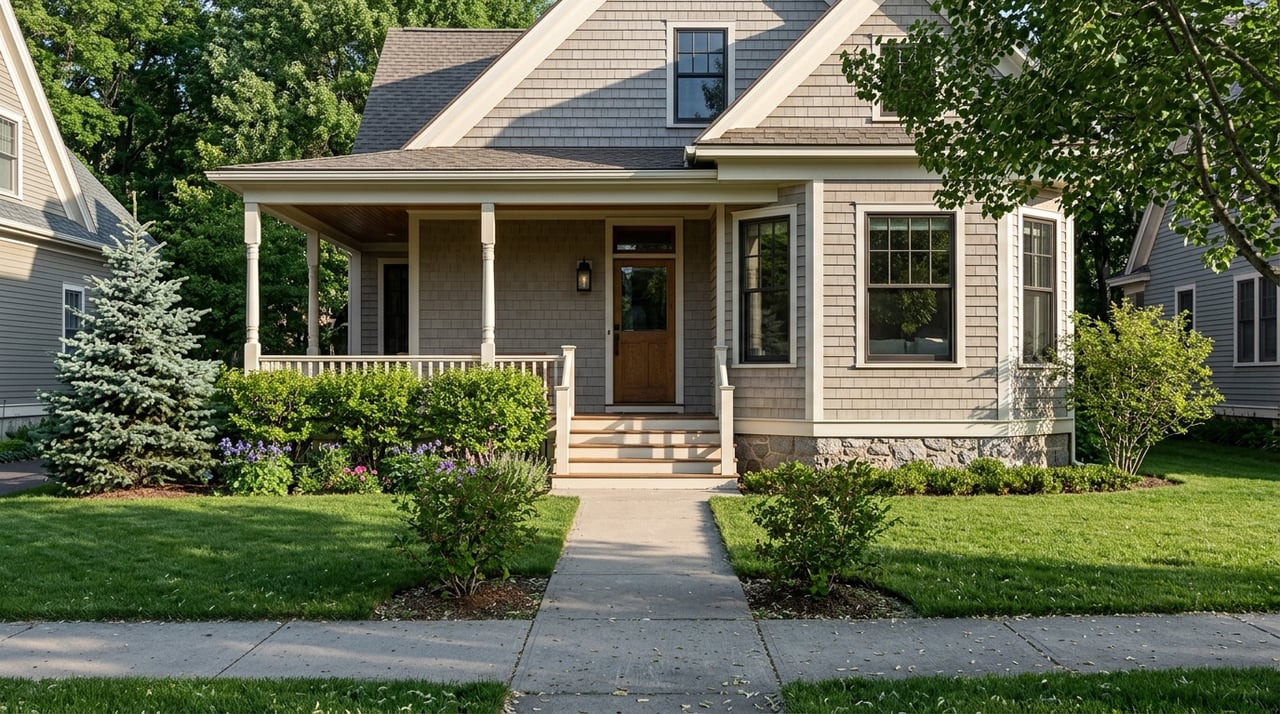
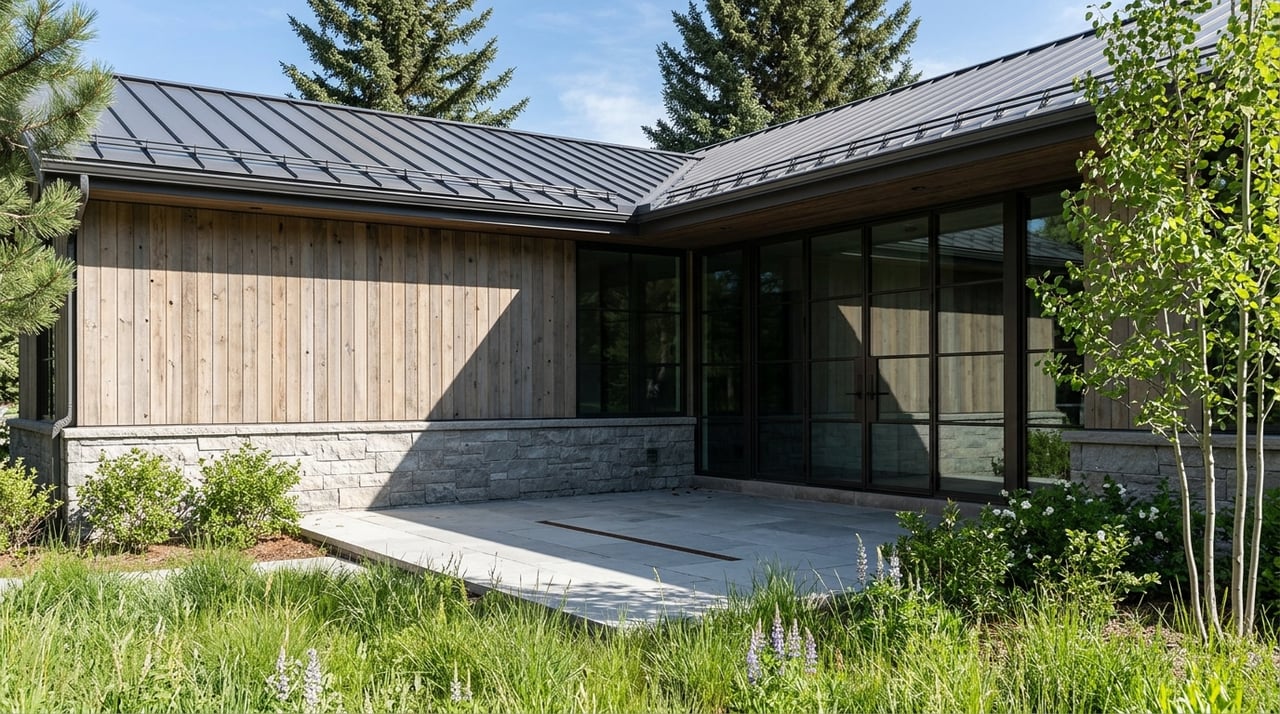
Aspen’s West End is known for its strong historic character, with a mix of Victorian and midcentury modern homes in a residential setting near Aspen Meadows, the Aspen Institute, and the Wheeler/Stallard Museum area. That historic identity is part of what makes the neighborhood so compelling. It is also what makes the buying process more nuanced.
In Aspen, historic preservation is not just about the house itself. The city’s guidance says that the development pattern and context of the block, neighborhood, or district matter too, including footprint, open space, alleys, and irrigation ditches. For you as a buyer, that means future changes may be shaped by more than just your budget or design ideas.
A home that appears ready for expansion or modernization may have limits tied to designation status and review requirements. That is why one of the first questions to answer is not just Do I love this house? but also What can I realistically do with it over time?
Check historic status early
Before you get too far into due diligence, confirm whether the property is individually designated, located within a historic district, or otherwise subject to Aspen’s historic-preservation requirements. Aspen states that individually designated properties and properties within a historic district are subject to those requirements.
A quick early review can save you time and help you avoid assumptions about remodeling freedom. In the West End, renovation potential often depends on design compatibility and the city review path, not just lot size or construction cost.
Where to research designation
Start with these local resources:
- Aspen Planning & Zoning map
- Aspen Historic Preservation page
- City inventory of historic sites and structures
- Pitkin County Assessor records
- Pitkin County Clerk and Recorder official records search
Each source helps answer a different question. The city resources can help you identify historic status, while the assessor and county records can help you verify ownership, legal description, and recorded real estate documents.
How to build property history
If you want a fuller picture of a home’s story, Aspen’s preservation guidance points to several useful research tools. These include Sanborn maps, the 1896 Willit’s Map, the 1893 Bird’s Eye View, subdivision maps, aerial photography, and GIS mapping.
The city also points buyers toward the Aspen Historical Society photo archives and other local archives for additional context. This kind of research can be especially helpful if you are comparing a home’s current condition with its earlier form or trying to understand prior additions and site changes.
Understand Aspen’s preservation review process
If you are considering any meaningful work after closing, you should factor in city review from the start. Aspen’s Historic Preservation Commission reviews development, demolition, relocation, and variations involving designated historic properties and historic districts.
The city also notes that Historic Preservation Commission agendas are often booked months in advance. That timing matters. If your purchase plan includes updates, an addition, or a major redesign, you should assume the process may require patience and lead time.
Two review paths buyers should know
Aspen’s historic-preservation packet outlines two key paths:
- Certificate of No Negative Effect for minor work that does not materially change historic character
- Certificate of Appropriateness for work that makes a material change to the property or district
This distinction is important because not every project is treated the same way. Smaller changes may move through a lighter review path, while larger or more visible changes can require deeper evaluation.
Why pre-application meetings matter
Aspen recommends a pre-application conference with a planner and a preliminary consultation with zoning and building staff before a project advances. For a buyer, this can be one of the most useful early steps.
These conversations can help you understand likely constraints before you commit to a renovation strategy. They can also reveal whether your design goals align with the property’s historic context and the city’s expectations.
Renovation potential depends on compatibility
In the West End, the question is often not whether you can improve a property, but how those improvements should be approached. Aspen’s design guidance emphasizes preserving character-defining features rather than replacing them broadly.
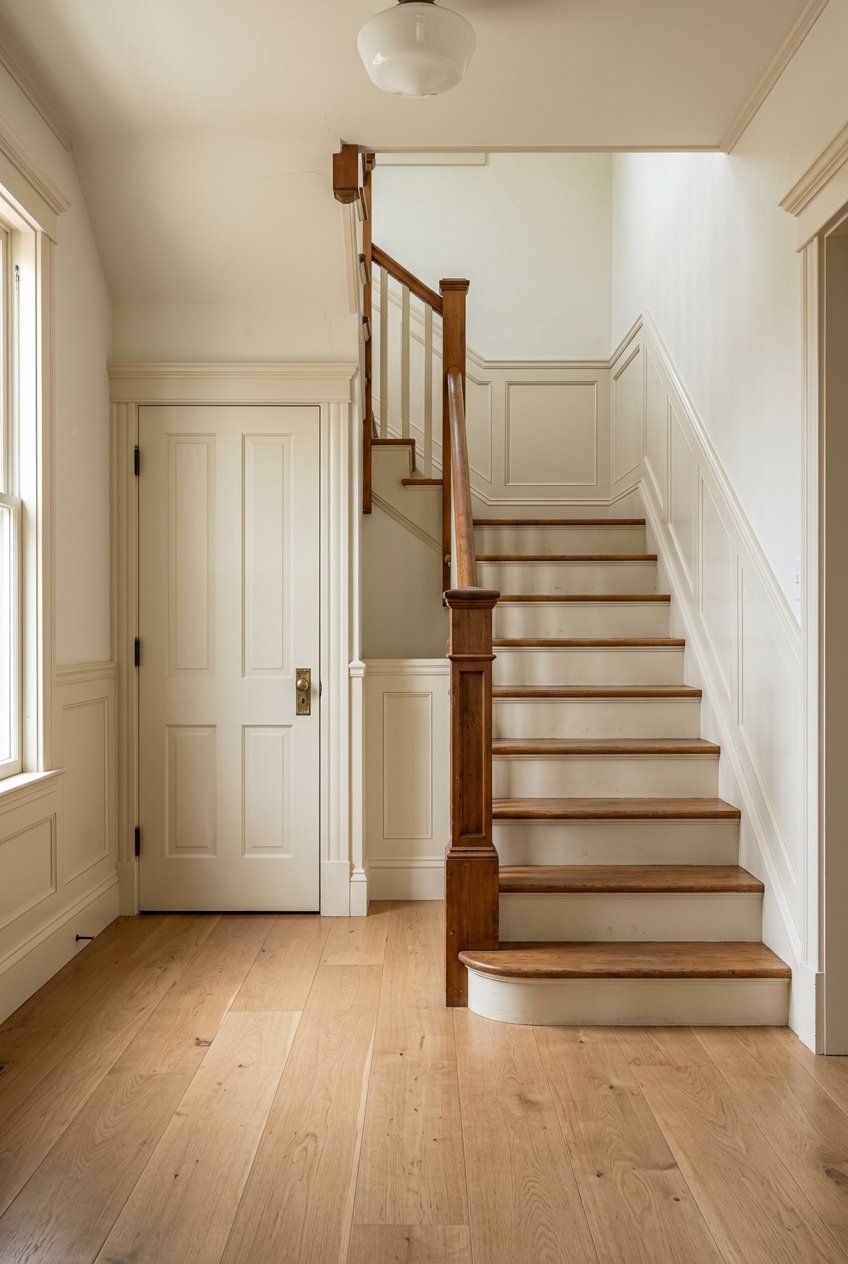
That usually means careful attention to the elements that give the home its identity. Roof form, materials, architectural details, windows, and doors can all carry weight in the review process.
Features that often shape approvals
Aspen’s guidance indicates that:
- New windows should be in character with the historic building
- Additions should preserve original character
- Significant features should not be obscured
- Site context should be respected along with the structure itself
For you, that means thoughtful design usually performs better than a blank-slate approach. A successful renovation concept often works with the home’s historic fabric instead of trying to overwrite it.
Site work can trigger review too
It is not only the house that matters. Aspen notes that modifications within the public right-of-way, including planting strips, sidewalks, and irrigation ditches, require a permit from the Engineering Department.
This can affect landscaping, access planning, and exterior improvements. If you are evaluating a property with site work in mind, it is wise to include those questions in your diligence early.
Plan for today’s code environment
Historic homes also need to be evaluated in light of current building standards. Aspen adopted the 2024 Colorado Wildfire Resiliency Code with local amendments, effective April 23, 2026.
The city says historically designated buildings may receive exceptions when strict compliance would damage historic features. That is helpful context, but it does not remove the need for careful planning. It simply means historic status may shape how code compliance is approached.
When you are budgeting future work, it helps to think beyond aesthetics. Code, preservation review, and sequencing can all influence cost, scope, and timeline.
Focus inspections on mountain-climate wear
Older homes in Aspen’s climate deserve a targeted inspection strategy. In the West End, some of the biggest issues are often tied to moisture, weather exposure, aging materials, and previous repairs.
A general inspection is important, but historic properties often benefit from a more detailed lens on how the home has aged over time. Small issues can become larger ones when moisture or deferred maintenance is involved.
Inspection areas to prioritize
Pay close attention to:
- Roof condition and flashing
- Moisture intrusion
- Ventilation and insulation in attics or basements
- Foundation and masonry cracks or settlement
- Windows and doors
- Evidence of prior additions or patchwork repairs
Preservation guidance identifies moisture as a major threat in historic buildings. Roof issues often appear around penetrations and weak flashing, while masonry and foundations can show problems through cracking and moisture movement.
Watch for age-related material concerns
If the home was built before 1978, lead-based paint rules are especially important. Federal law gives buyers and renters the right to know whether lead-based paint hazards are present.
Asbestos is another area to handle carefully. EPA guidance says that if suspect asbestos-containing materials are damaged or will be disturbed, they should be sampled by a trained and accredited asbestos professional.
If future renovation is part of your plan, this matters even more. EPA also requires certified firms and lead-safe work practices when disturbing lead paint in pre-1978 housing.
Build the right local team
A West End historic purchase is usually a team effort. The right specialists can help you evaluate not only the home’s current condition, but also what a realistic ownership and renovation path looks like.
Aspen requires contractors on historic-preservation projects to hold an active Historic Preservation Certification. The city is clear that this certification is separate from a contractor license, and contractor and business licensing requirements still apply.
Specialists worth considering
Depending on the property and your goals, your team may include:
- A preservation-minded architect or designer
- A local real estate attorney
- A qualified inspector
- A landscape architect when site work is involved
Aspen’s guidelines encourage early consultation with a landscape architect when developing a project concept. Early coordination with the Planner of the Day, Historic Preservation staff, zoning, and building departments can also make the process smoother.
A practical approach to buying in the West End
If you are serious about a historic home in Aspen’s West End, the smartest approach is process-driven and deliberate. Verify designation early, research the property’s history, inspect with mountain-climate risks in mind, and map out the likely review path before you finalize your plans.
That preparation does more than reduce surprises. It helps you protect the character that made the home special in the first place while giving you a clearer view of what ownership may actually involve.
In a neighborhood where architecture, context, and stewardship matter, informed buying is part of preserving long-term value. If you are considering a West End purchase and want discreet, local guidance, Palladium Group can help you navigate the process with care.
FAQs
What makes buying a historic home in Aspen’s West End different?
- West End homes often require added due diligence because renovation potential can depend on historic designation, neighborhood context, and Aspen’s preservation review process.
How can you check if an Aspen West End property has historic status?
- You can start with Aspen’s Planning & Zoning map, the city’s Historic Preservation page, the inventory of historic sites and structures, and Pitkin County public records.
What review body handles historic properties in Aspen?
- Aspen’s Historic Preservation Commission reviews development, demolition, relocation, and certain changes involving designated historic properties and historic districts.
What should inspections focus on for older Aspen West End homes?
- Inspections should pay close attention to roof and flashing, moisture intrusion, ventilation, insulation, foundation or masonry movement, windows, doors, and evidence of older additions or repairs.
Do contractors need special qualifications for Aspen historic-preservation projects?
- Yes. Aspen requires contractors on historic-preservation projects to hold an active Historic Preservation Certification, in addition to applicable contractor and business licensing requirements.
Can site work at an Aspen historic home require city approval?
- Yes. Aspen notes that modifications within the public right-of-way, including planting strips, sidewalks, and irrigation ditches, require a permit from the Engineering Department.