If you want Aspen access without feeling like you live in the middle of the commercial core, the West End stands out quickly. It offers a quieter residential setting, a strong sense of history, and easy reach to trails, parks, and cultural venues that shape everyday life in town. For buyers, sellers, and second-home owners alike, understanding that balance is key. Let’s dive in.
West End Character at a Glance
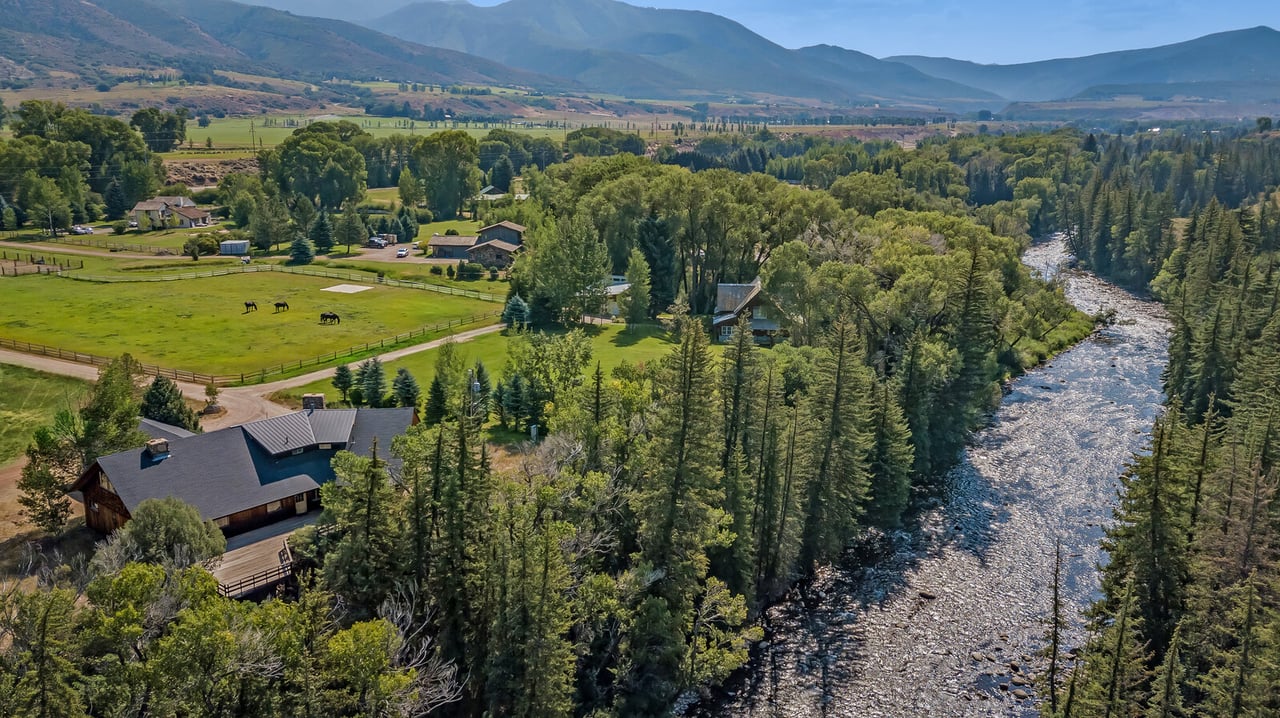
Aspen’s West End is best described as a historic residential neighborhood with close access to Aspen’s cultural center. According to the Aspen Historical Society, the area is a quiet, tree-lined district bordered by the Aspen Meadows, Aspen Institute, and Wheeler/Stallard Museum campuses. That setting gives the neighborhood a distinct identity that feels rooted, established, and connected to the town around it.
The West End also carries layers of local history. Aspen Historical Society notes that the area reflects earlier Ute activity, a former racetrack, and rodeo-era use. In everyday terms, that history helps explain why the neighborhood feels accumulated over time rather than newly built all at once.
Historic Preservation Shapes Daily Life
One reason the West End feels so cohesive is Aspen’s long-standing preservation framework. The City of Aspen says it has engaged in historic preservation since the early 1970s, and properties in historic districts are subject to design standards. Those guidelines require projects to respect the historic development pattern or context of the block, neighborhood, or district.
For you as a buyer or seller, that matters beyond architecture alone. It means the streetscape tends to change gradually, helping preserve the neighborhood’s overall rhythm and appearance even as individual homes are updated, renovated, or replaced. In a market where setting often matters as much as square footage, that continuity carries real weight.
A Mix of Home Styles
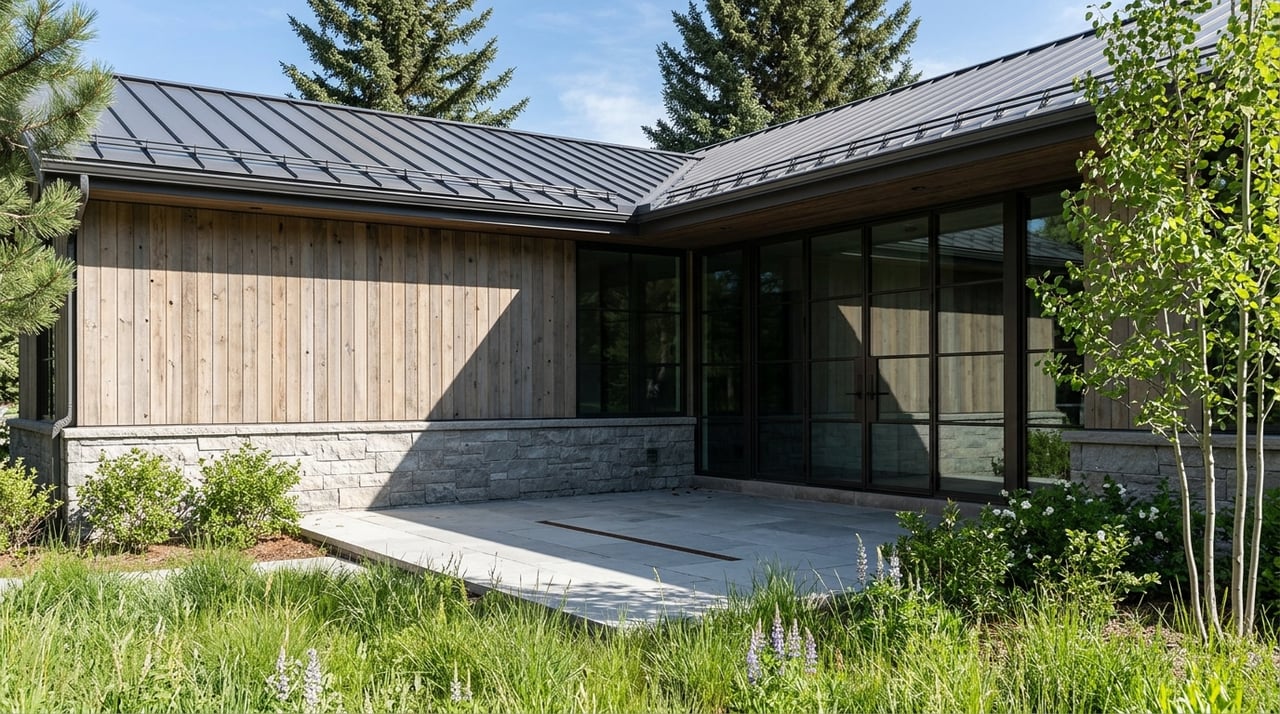
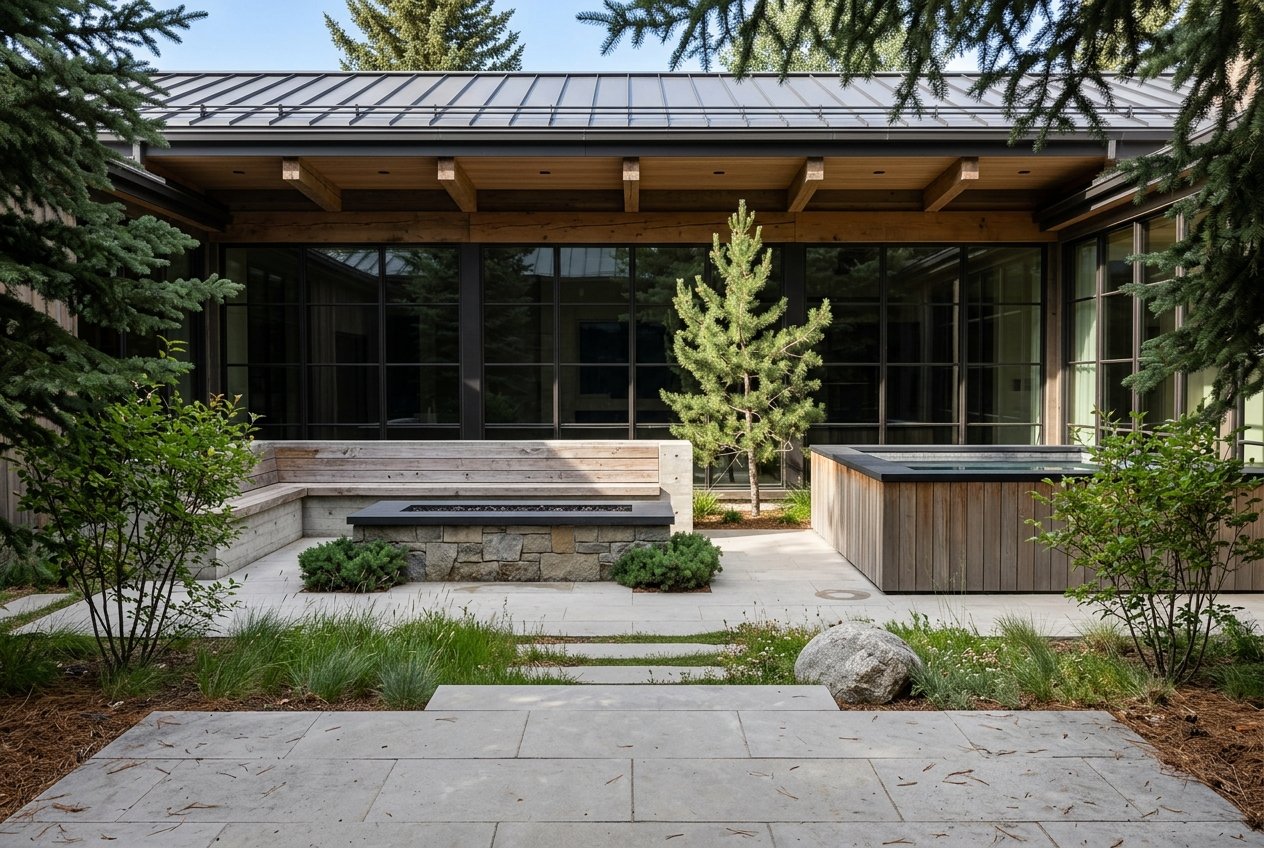
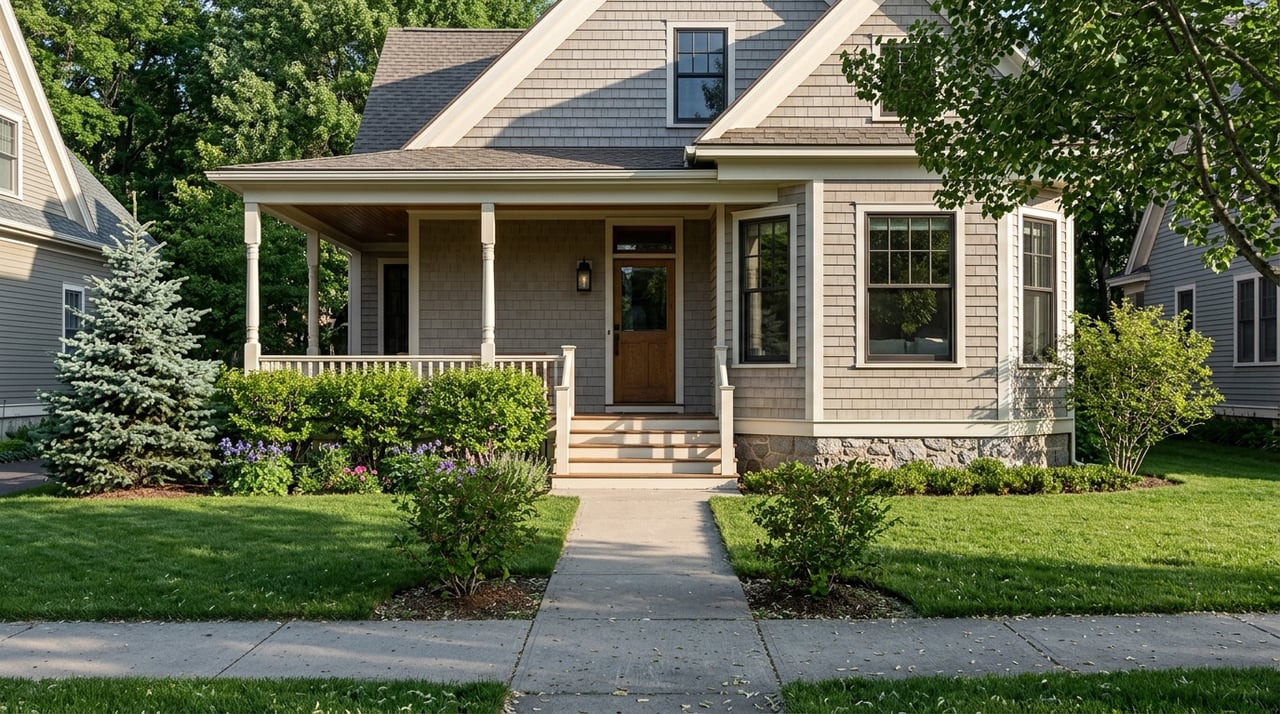
The West End is not defined by a single look. Aspen Historical Society points to a housing mix that includes historic homes as well as examples of Victorian and midcentury modern architecture. That variety gives the neighborhood visual interest while still supporting a strong sense of place.
For buyers, this mix can open the door to different lifestyle preferences, from historic character to cleaner modern lines. For sellers, it reinforces that the appeal of the West End is broader than one style category. The neighborhood’s identity comes from its setting, preservation, and lived-in texture as much as any individual home design.
Getting Around Without Relying on a Car
One of the most practical advantages of living in the West End is how easy it can be to move through Aspen without driving for every errand or outing. The city’s parks department says Aspen has more than 22 miles of pedestrian and bicycle trails, along with 30 parks and playgrounds. The city also describes an almost seamless trail system connecting through town and down valley.
That network supports a very local pattern of everyday movement. Instead of planning each trip around parking, many residents can walk, bike, or use transit for short in-town trips. In a place like Aspen, that often becomes part of the neighborhood’s quality of life.
Free Shuttle and Local Transit Access
Transit adds another layer of convenience. Aspen’s free shuttles include a cross-town route serving the West End and Ute Avenue neighborhoods, including the Music Tent area. The Downtowner also provides free door-to-door service within its service area from 8 a.m. to 11 p.m.
The city says its transit mission includes helping preserve Aspen’s character by minimizing congestion and pollution. For West End residents, that mission shows up in practical ways. You can stay closely connected to town life while reducing the need to use your car for every short trip.
Why Parking Still Matters
Aspen closely manages parking in the downtown core with seasonal rates and time limits. That helps explain an important part of West End living. Even for households with cars, walking, biking, and shuttles often make more sense for day-to-day access to town.
This is part of what makes the neighborhood feel easy in practice. In-town access is not just about distance on a map. It is about having realistic options for how you move through your day.
Parks, Trails, and Open Space Nearby
The West End’s appeal is tied as much to public space as it is to private homes. City parks materials identify Wagner Park, Rio Grande Park, the John Denver Sanctuary, and the downtown pedestrian mall as important public gathering places. From the West End, those destinations are part of the broader everyday landscape of Aspen.
That balance is central to the neighborhood’s draw. You can return to a quieter residential setting while still keeping parks, walking routes, and public activity close at hand. For many buyers, that is the difference between simply owning in town and truly enjoying daily life there.
A Neighborhood Experienced on Foot
The Aspen Historical Society’s West End tour offers a useful clue about how the area is actually lived. The tour moves through trails, sidewalks, lawns, and street-sides around the Meadows campus and the West End neighborhood. That tells you something important: the area is experienced as a connected sequence of public edges and residential blocks, not just as an address.
The Wheeler/Stallard Museum at 620 W. Bleeker also sits within that setting, and its grounds include Ruth Whyte Park. These details reinforce the West End’s everyday rhythm. The neighborhood invites movement and observation, not just arrival and departure.
Culture Is Part of the Neighborhood Rhythm
The West End offers a distinct advantage for people who want proximity to Aspen’s arts and civic life without living directly in the downtown core. The nearby Aspen Institute campus hosts convenings and public programs, and it has launched campus art and history audio guides. The Aspen Music Festival and School’s Meadows Campus includes the Michael Klein Music Tent and Harris Concert Hall.
AMFS says its summer season includes hundreds of classical music events, while the City of Aspen identifies the Wheeler Opera House as Aspen’s community performance venue since 1889. Together, these institutions create a strong cultural orbit around the West End. You are close to a meaningful share of Aspen’s public life, but the neighborhood itself remains primarily residential.
Historic, But Still Active
The West End is not simply preserved as a backdrop. Aspen Historical Society offers neighborhood tours, and the Wheeler/Stallard Museum hosts exhibitions and community events. That matters because it shows the area is still actively used as part of Aspen’s cultural fabric.
For buyers and second-home owners, this can be a defining part of the neighborhood experience. The West End is quiet, but it is not isolated. It has a steady relationship to the town’s intellectual, artistic, and public life.
What Everyday Living Feels Like
In practical terms, everyday living in Aspen’s West End is about balance. You have a residential setting that feels calm and established, but you are still near trails, parks, transit, and major cultural venues. That combination is what gives the neighborhood its staying power.
If you are considering a purchase, the West End may appeal to you if you value neighborhood character, connected in-town living, and a setting shaped by preservation. If you are preparing to sell, those same qualities often help frame the neighborhood’s value story. The appeal is not only architectural. It is also about access, continuity, and the experience of living in a part of Aspen that feels both storied and usable.
For a neighborhood with such a quiet profile, the West End offers an unusually rich day-to-day lifestyle. It is one of Aspen’s clearest examples of how history, walkability, open space, and culture can work together in everyday life.
If you are considering buying or selling in Aspen’s West End, Palladium Group offers discreet, tailored guidance grounded in deep local knowledge.
FAQs
What is everyday living like in Aspen’s West End?
- Everyday living in Aspen’s West End is defined by a quiet residential setting with close access to trails, parks, transit, and nearby cultural venues.
Can you get around Aspen’s West End without driving everywhere?
- Yes, many short in-town trips can be handled by walking, biking, free shuttle service, or the Downtowner, thanks to Aspen’s trail and transit network.
What makes Aspen’s West End feel different from downtown?
- Aspen’s West End feels more residential and tree-lined, while still offering convenient access to downtown parks, performance venues, and pedestrian activity.
Does historic preservation affect homes in Aspen’s West End?
- Yes, the City of Aspen says properties in historic districts are subject to design standards that require projects to respect the historic context of the block, neighborhood, or district.
What types of homes are found in Aspen’s West End?
- The neighborhood includes a mix of historic homes, with examples spanning Victorian and midcentury modern architecture.
Why do buyers and sellers pay attention to Aspen’s West End?
- Buyers and sellers often value the West End for its preserved neighborhood character, walkability, access to open space, and proximity to Aspen’s arts and cultural institutions.