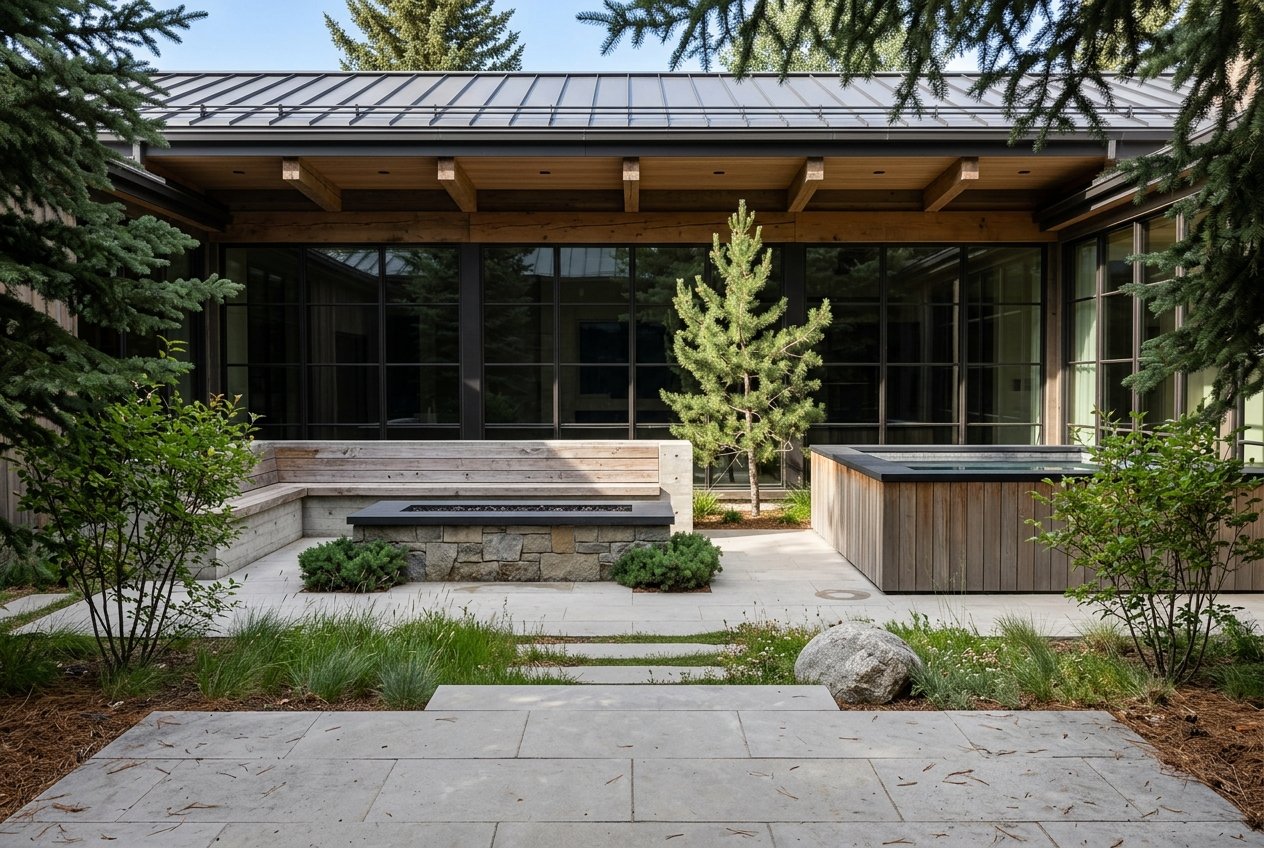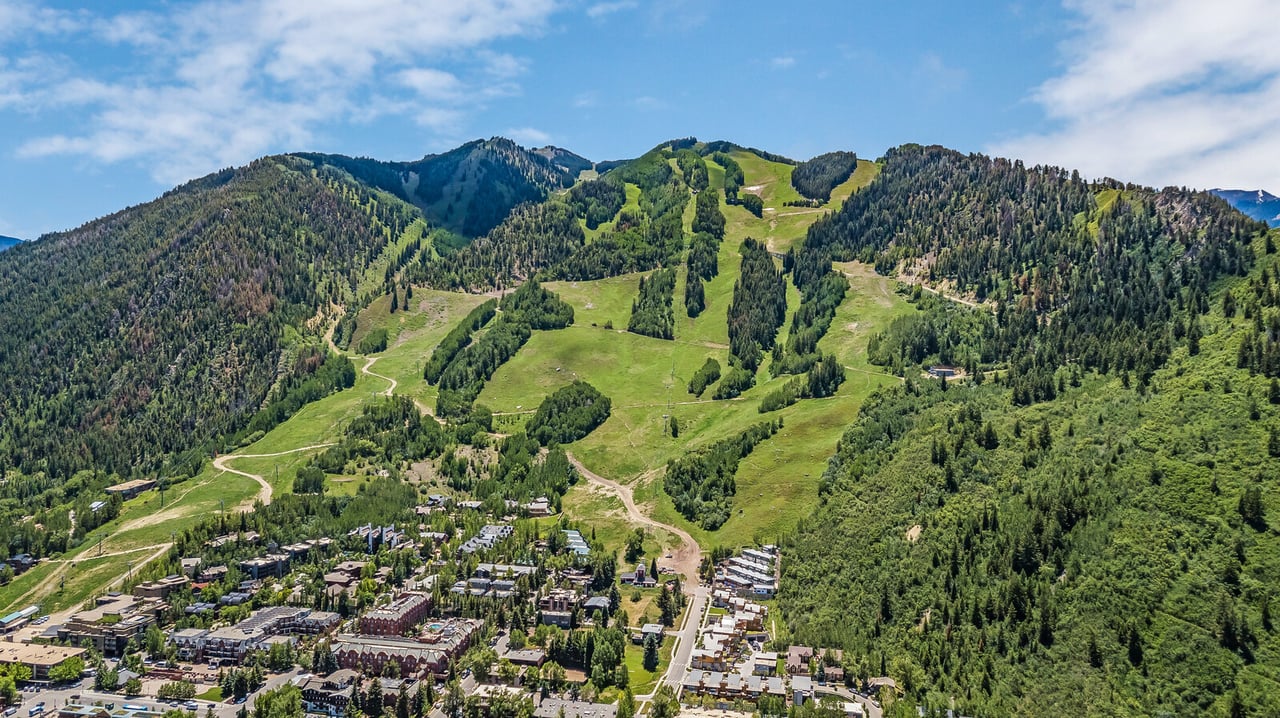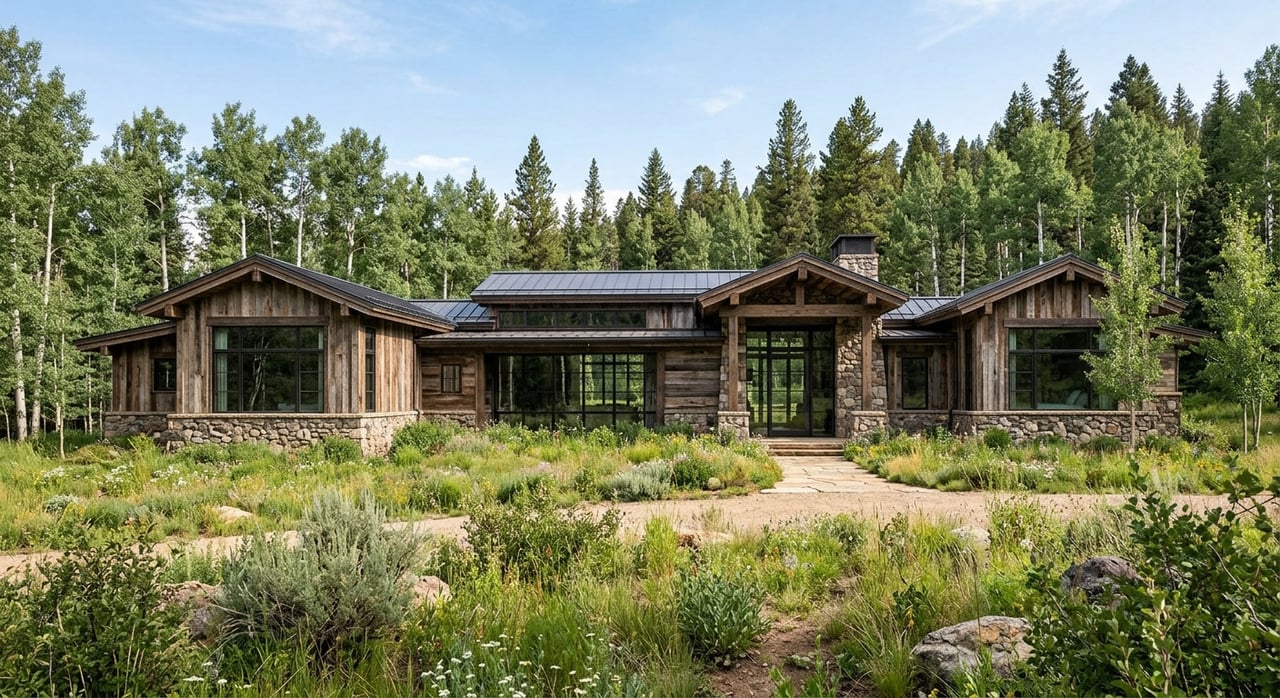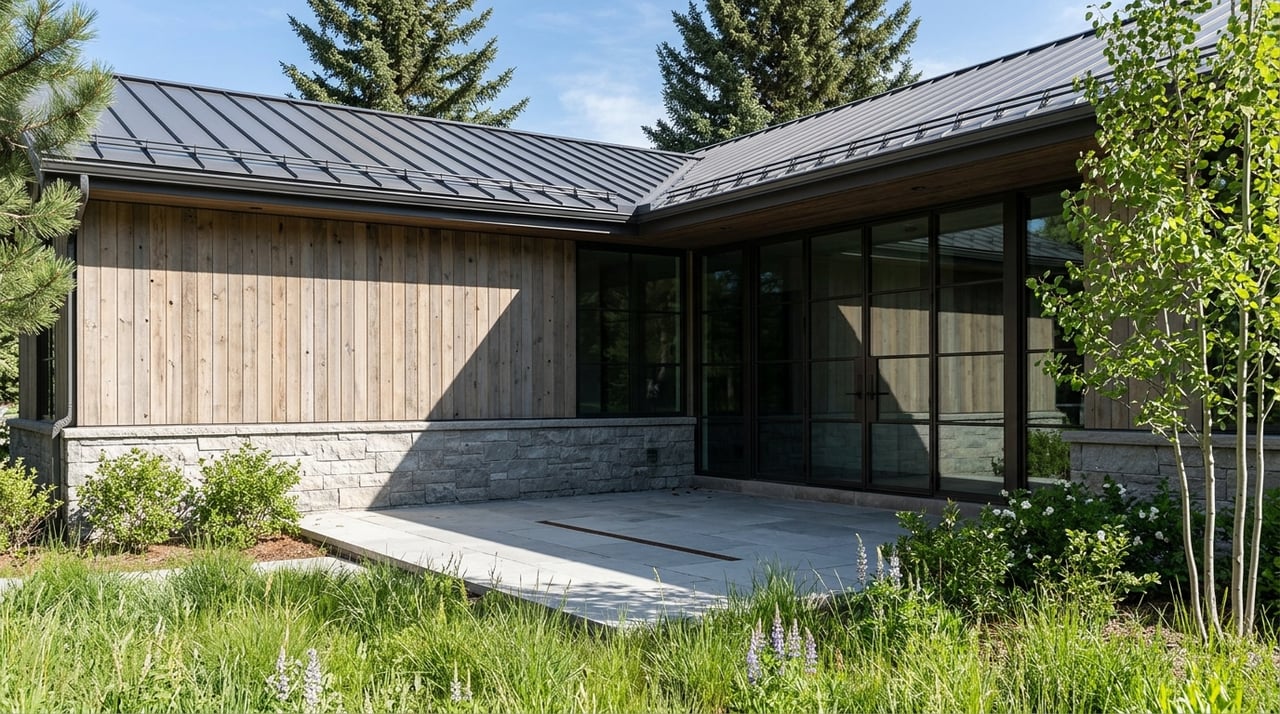
Wondering whether McLain Flats is better suited to a fresh custom build or a major renovation? In this part of Pitkin County, the answer is rarely just about design taste or square footage. If you are weighing an estate purchase, planning a legacy retreat, or rethinking an existing property, the key is understanding how the land, access, utilities, and county framework shape what is truly possible. Let’s dive in.
Why McLain Flats Is Different
McLain Flats is a site-driven market as much as it is a home-driven one. A beautiful existing residence matters, but so do road access, utility service, topography, overlays, and where the home sits within the parcel. In many cases, those factors influence value and feasibility before architecture even enters the conversation.
Pitkin County’s Maps & More ComDev tools are especially useful for early research because they can flag floodplain, wildlife, wildfire, slope, avalanche, and geologic hazards, while also identifying sewer-service and river proximity within a quarter mile. That makes early due diligence on the parcel itself essential. On McLain Flats, the land often tells you what kind of project makes sense.
A nearby example of how service can vary is the W/J Metropolitan District, about five miles northwest of Aspen on both sides of McLain Flats Road and Upper Woody Creek Road. The district was formed to finance road, water, wastewater, snow plowing, trash removal, landscaping, and administration. Even if a property is outside that district, it is a reminder that infrastructure can differ meaningfully from one parcel to the next.
Custom Build vs Renovation
When a Custom Build May Make Sense
A custom build can be the better fit when the parcel itself has more to offer than the current house captures. That may mean stronger orientation to views, better circulation, improved response to slope, or a more efficient placement of the home, access, and support areas. If the land can support a better activity envelope, starting fresh may unlock more of the site’s potential.
That said, a new build often brings a broader county review process. Depending on the parcel and scope, that can include activity envelope review, site plan approval, grading, drainage, driveway and road design, utilities, scenic view protection, and possibly wildfire-related review. In other words, a custom home may create design freedom, but it also tends to invite more regulatory complexity.
Pitkin County notes that an activity envelope should accommodate the home, accessory structures, roads, septic, and staging, but should not be much larger than necessary. Grading over 200 square feet, earthmoving over 50 cubic yards, or drainage changes generally require an activity envelope. Site plan approval may also be required in scenic view areas.
When Renovation May Be Smarter
A renovation can be compelling when the existing house already sits well on the land and works within the parcel’s constraints. If the structure has useful approvals, practical utility service, and a strong relationship to views and access, improving what is there can be more efficient than starting over.
Renovation may also be simpler in certain cases if the existing structure has legal nonconforming status or if the work is fully interior. Pitkin County states that lawfully established nonconforming uses and structures may continue under Chapter 9, and interior remodels that do not change any outside visual aspect are exempt from scenic view standards. Once you move into exterior additions or visible changes, current standards for height, setbacks, floor area, lighting, and view protection can come back into play.
The practical takeaway is simple: if the house already fits the site well, renovation can be a very elegant answer. If the site deserves a better plan than the existing residence can support, a custom build may be the stronger long-term choice.
Site Planning Drives the Decision
Orientation and Sunlight
On McLain Flats, orientation is not just a design preference. Pitkin County’s code encourages planning that allows unobstructed sunlight to reach rooftops and south walls between 9 a.m. and 3 p.m., and east-west street orientations are preferred when practicable in subdivisions. That makes solar access a real planning issue from the beginning.
For you as a buyer or owner, this means a parcel with dramatic views still needs to support the way a home will sit on the land. A successful project balances sunlight, mountain outlooks, privacy, and topography. The best homes here feel grounded in place rather than imposed on it.
Scenic Views and Setbacks
McLain Flats Road is both a scenic-view corridor and a major road under county code. The Scenic View Protection Area includes views from McLain Flats Road, and development should use existing topography and vegetation to screen buildings, avoid ridgelines, and avoid creating skyline silhouettes. In scenic view areas, site plan approval may be required.
There is also a 100-foot major-road setback along the segment of McLain Flats Road from the Slaughter House Bridge to Highway 82 across the Smith Bridge. For some parcels, that setback can materially affect where a new home or addition can go. This is one reason parcel-specific review matters so much before you commit to a design path.
Access and Road Design
Access is another major factor that can tilt the decision toward building new or renovating. Pitkin County requires a development permit for all new roads and driveways. Outside the Aspen UGB, roads and driveways must comply with county road standards, while city standards apply within the UGB.
That distinction may sound technical, but it can have real design implications. Driveway alignment, grading, snow management, and access points can all influence feasibility, cost, and the overall experience of arriving at the property.
Environmental Constraints Come First
Pitkin County’s review framework puts environmental constraints at the front of the conversation, not the end. The county evaluates steep or unstable slopes, drainage and erosion areas, floodplain hazards, geologic hazards, wildfire hazards, wildlife habitat areas, stream corridors, wetlands, and historic preservation. If constrained areas exist, the code first seeks avoidance, then reduction in range, size, or intensity.
This matters because a parcel with exceptional views may still have important limitations. A design that looks ideal on paper may become less workable if it conflicts with slope, drainage, wildfire mapping, or habitat areas. On McLain Flats, a realistic vision starts with what the site can comfortably support.
If a parcel borders a creek or river, Pitkin County applies a 100-foot stream setback measured from the ordinary high-water mark. That can shape where the home, drive, landscape features, and supporting improvements can be placed. Water adjacency can be beautiful, but it often comes with a more defined building envelope.
Utilities and Wastewater Matter Early
Utility status in Pitkin County is parcel-specific, and it should be reviewed early in either path. The county states that homes outside a sewer district are served by an OWTS, or septic, system, and OWTS applications now go through PATS under regulations that took effect May 25, 2026. For renovation projects in particular, septic capacity, replacement fields, and inspection history deserve close attention.
If you are evaluating an existing estate, the current wastewater setup can influence how far a renovation can go. Bedroom count, expansion plans, and site disturbance may all intersect with system capacity and placement. For a custom build, utilities become part of the broader site-planning exercise from the outset.
Water supply can also shape the landscape plan. Aspen notes that nearly all of its water comes from Castle Creek and Maroon Creek, that outdoor irrigation is the largest use of water, and that late summer is when resources are most at risk. If a parcel uses Aspen municipal water, it makes sense to approach landscaping with irrigation efficiency and drought-tolerant planting in mind.
Wildfire Resiliency Is Now Part of Design
Wildfire planning is no longer a side issue in Pitkin County. The county adopted the Wildfire Resiliency Code and State Wildfire Hazard Mapping on March 25, 2026, and the code applies to permit applications submitted on or after May 2, 2026. That means structure-hardening requirements may be part of your project from the start.
County materials describe tiered requirements that can range from roof, gutter, and vent standards to additional measures for exterior walls, underfloor areas, decking, windows, and doors depending on hazard class. For a custom build, these requirements can shape materials and detailing early. For a renovation, they can affect what makes sense when exterior work is extensive.
Questions to Resolve Before You Decide
Before choosing between a custom build and a renovation on McLain Flats, it helps to answer a short list of site-specific questions:
- What is the parcel’s zone district, Aspen UGB status, and are there prior approvals or TDR/GMQS constraints?
- Is the property inside a scenic view protection area or subject to a major-road setback along McLain Flats Road?
- Is the parcel sewer-served or on an OWTS system, and is there a current inspection record?
- Are there steep slopes, drainage, floodplain, wildfire, or wildlife constraints that could narrow the building envelope?
- Does the existing house have legal nonconforming status, and what exterior changes would trigger current code?
- If the parcel uses Aspen water, does the proposed landscape plan align with local water-conservation expectations?
These are not minor checklist items. They are often the difference between a project that moves smoothly and one that needs to be substantially rethought.
The Best Answer Is Usually Site-Specific
On McLain Flats, the strongest decision is usually the one that respects the parcel first. A custom build can fully express the land when a new activity envelope, better orientation, or cleaner access plan improves the experience of the property. A thoughtful renovation can be just as compelling when the existing estate already has the right siting, utility framework, and approval history.
For high-value properties in Pitkin County, this is where experienced local guidance becomes especially valuable. You want to evaluate not just the home you see today, but the realistic range of what the site can support over time. If you are considering a purchase, a legacy renovation, or a custom estate vision on McLain Flats, Palladium Group offers discreet, informed guidance tailored to Aspen’s most nuanced properties.
FAQs
What makes McLain Flats different from other Aspen-area property decisions?
- McLain Flats is highly site-driven, so road access, utilities, setbacks, scenic view rules, topography, and environmental constraints can shape feasibility as much as the house itself.
When is a renovation on McLain Flats more practical than a custom build?
- A renovation is often more practical when the existing house already sits well on the parcel, has workable utility service, and may benefit from existing approvals or legal nonconforming status.
What county rules matter most for a custom build in Pitkin County?
- Key factors can include zoning, activity envelope requirements, grading and drainage review, scenic view protection, driveway and road standards, setbacks, and wildfire resiliency requirements.
How do scenic view rules affect McLain Flats properties?
- Because McLain Flats Road is a scenic-view corridor, visible development may need careful siting, screening with topography or vegetation, and possibly site plan approval depending on the parcel and proposal.
Why should wastewater and septic be reviewed early in Pitkin County?
- If a property is outside a sewer district, it is typically served by an OWTS system, so capacity, replacement fields, and inspection history can affect renovation scope and new-build planning.
How does wildfire resiliency affect building plans in Pitkin County?
- For permit applications subject to the county’s wildfire code, required structure-hardening measures may influence materials and design details based on the property’s hazard class.