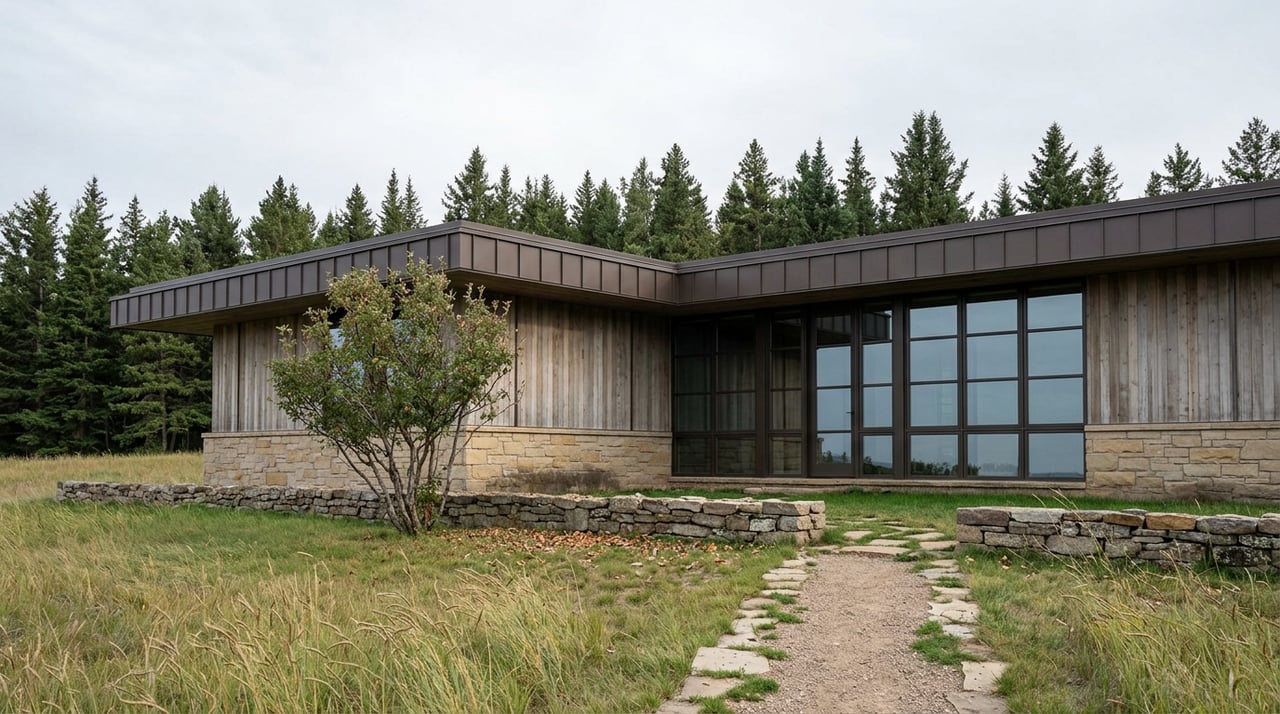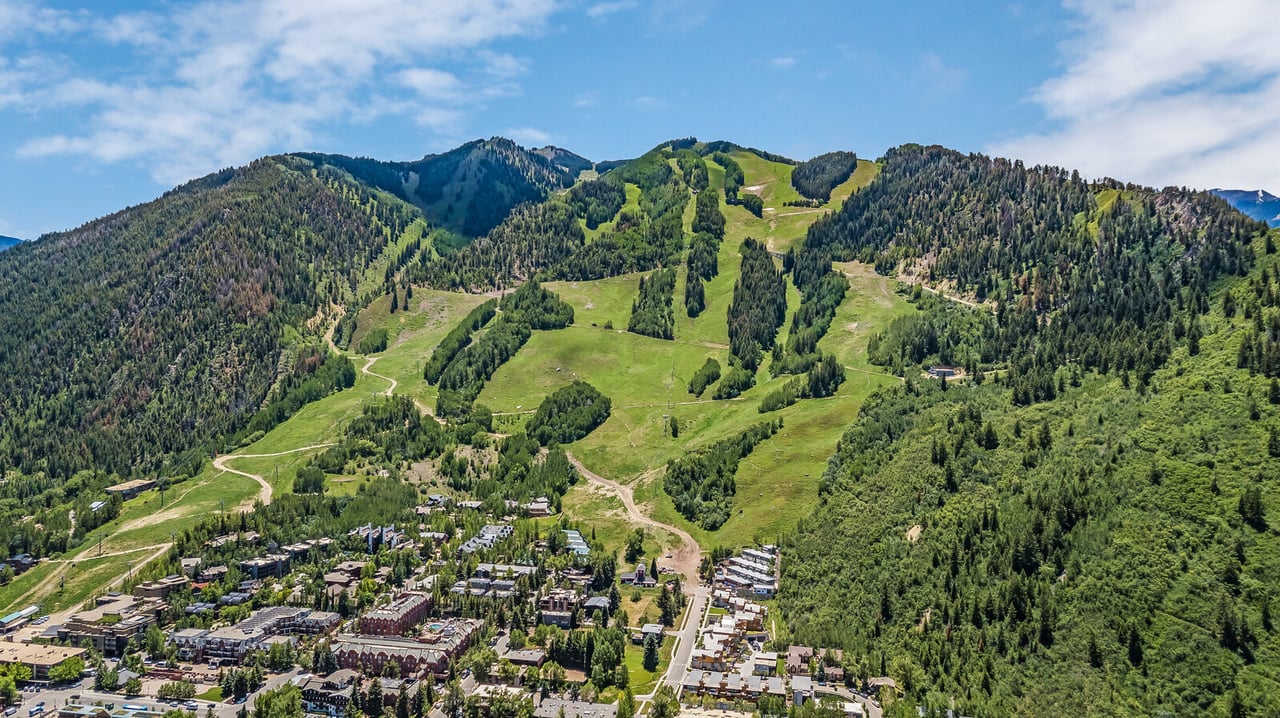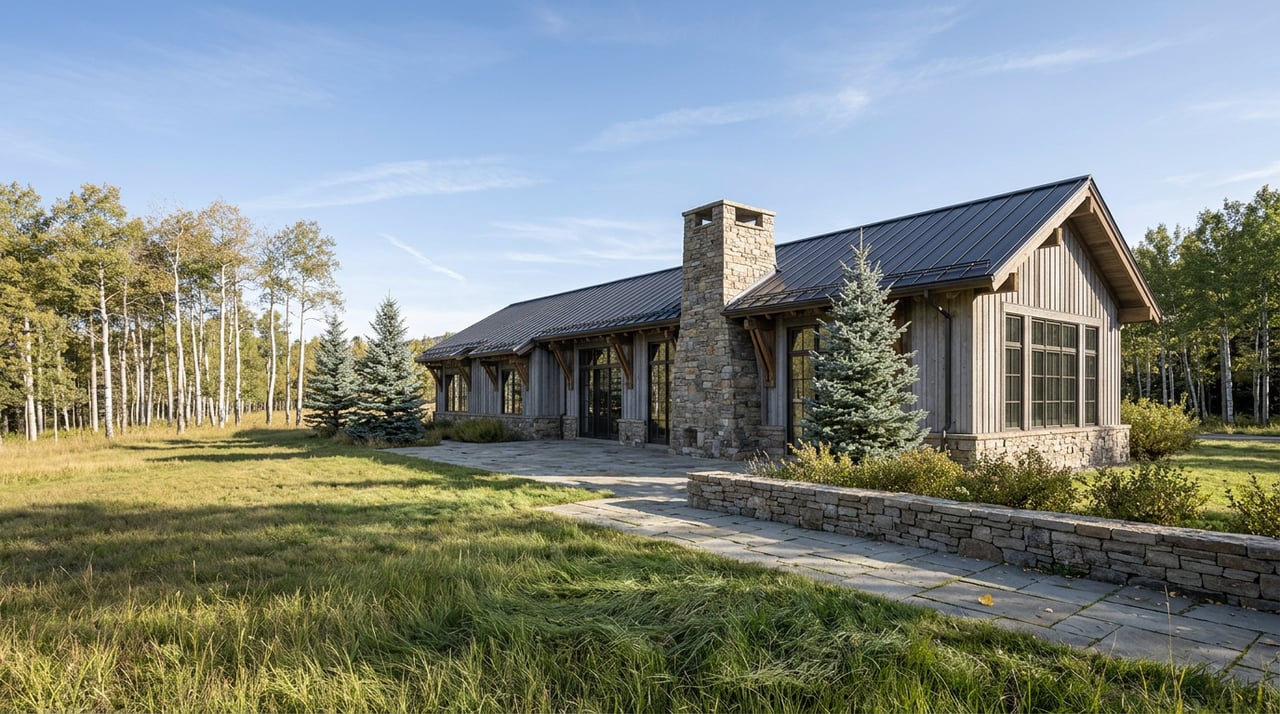
A three-acre parcel in Starwood and a three-acre parcel half a mile down the same ridge can carry nearly identical price tags and still support two very different houses. One owner builds to 5,750 square feet and stops there. The neighbor builds past 8,000. The land didn't change. What changed is a certificate that never shows up in the listing photos: a Pitkin County Transferable Development Right, known locally as a TDR.
Buyers comparing acreage, views, and price per square foot across McLain Flats and Starwood often skip past this. The number that actually decides how big a house can get isn't printed on the flyer. It's a separate, thinly traded asset that has to be bought, sold, and recorded on its own.
The Cap Nobody Mentions Until the Architect Does
Under a code revision made in 2000, Pitkin County set the base habitable floor area for new construction outside Aspen's urban growth boundary at 5,750 square feet. That cap applies regardless of how many acres surround the house. A recent Starwood land listing spells this out for buyers directly, noting the site can support 5,750 square feet as-is, or more if the owner lands a TDR under current county guidelines.
For a buyer picturing a 9,000 or 10,000 square foot compound on a large McLain Flats or Starwood parcel, that base number is the first surprise. The second is that closing on the land does not automatically come with the right to exceed it.
What a TDR Actually Buys
Pitkin County created its Rural and Remote zoning in the 1990s to keep backcountry parcels from being fragmented into remote estates that strain emergency services and disturb wildlife. Owners of those restricted parcels can sever their unused development right and sell it as a TDR: a recorded, irrevocable certificate worth 2,500 square feet of additional floor area, good for use on an approved receiving site.
McLain Flats and Starwood are receiving sites. The backcountry parcels that generate TDRs are often old mining claims or ranch land placed under conservation easement, some of it not far from McLain Flats Road itself. Portions of the historic Stein Ranch along the eastern end of that road were placed under exactly this kind of easement, which is part of why commuters driving that stretch today still pass mostly open meadow instead of rooflines.
Buying a TDR does not buy land. It buys an entitlement, and the transfer runs on its own paperwork rather than through the property's usual title work. The certificate has to be recorded with the county before it can be applied to a specific lot, and the buyer is responsible for confirming it hasn't already been used elsewhere.
A Market That Has Already Swung Once
TDR pricing has moved enough in the past five years that a number from 2022 is close to useless for a buyer evaluating a deal today.
| Period | Approximate TDR price | What was happening |
|---|---|---|
| Before 2021 | Around $360,000 | Baseline pricing before the post-pandemic buying surge |
| 2021 | Tops $1 million for the first time; a December sale hits $1.8 million | Only 21 TDR transactions all year, the most since 2013, chasing a shrinking supply |
| 2021 to 2022 | Peaks between $2.0 million and $2.5 million | A certificate shortage collides with the hottest luxury market Aspen had seen in decades |
| 2026 | Trading between roughly $650,000 and $800,000 | Correction from the peak, with forecasters expecting a settled range near $650,000 to $700,000 |
In late 2021, as she prepared her annual report to the county commissioners, Pitkin County's assistant planning director Suzanne Wolff put it plainly:
"The big story of the year is the escalating value of what TDRs are selling for."
That escalation eventually cooled. What it left behind is a market where a certificate can lose more than half its value in four years and still cost the better part of a million dollars to acquire today.
Starwood's Own Track Record Says Something Different Than You'd Expect
Starwood has accepted TDRs since 1998, longer than any other subdivision in the county, and worked directly with the Pitkin County Commissioners to secure that status. Given that history, and given how many large homes have gone up in Starwood since, you might expect TDRs to be a routine part of nearly every build.
They aren't. By the Starwood community's own published count, new home projects there used a total of ten TDRs in the years starting in 2013, a pace of roughly one a year at the time that figure was last tallied. Most Starwood owners are building within the base cap, not around it. Landing a TDR in this neighborhood has been the exception, not the paperwork step everyone assumes comes with a large lot.
That matters for a buyer's expectations. If the house program calls for more than the base allowance, the plan to source a TDR needs to start early, and it should be treated as a distinct transaction with its own timeline, not a line item that gets handled the same week as closing on the lot.
Why 2027 Changes the Calculation
Pitkin County has already tightened this once. The maximum home size inside the growth boundary dropped from 15,000 to 9,250 square feet in November 2023. A broader land-use code rewrite is now in the pipeline, expected to take effect in 2027, and it goes further. According to Aspen Appraisal Group's 2026 presentation to the local board of realtors, the rewrite is expected to lower the maximum house size outside the urban growth boundary to 8,750 square feet, require a TDR for basement space that currently doesn't count against the cap at all, and create a new class of Residential TDRs generated only when long-term owners voluntarily restrict their own future development.
Requiring a TDR for basement square footage pulls more certificates out of circulation for the same purpose they already serve above grade. Combined with a lower ceiling on total size, the direction of travel is toward fewer available TDRs chasing a smaller allowance. A buyer who assumes today's $650,000 to $800,000 price will hold steady, or drift lower, is betting against the same dynamic that pushed the market from $360,000 to $2.5 million the last time supply tightened this fast.
What to Ask Before You Write an Offer
- Does the current base floor area allowance, without a TDR, already cover the house you want to build?
- If not, is a TDR included in the purchase price, or does the seller expect the buyer to source one separately?
- If a TDR is included, has it already been severed and recorded, or is it only a stated intention?
- Has anyone confirmed the certificate hasn't already been used on another property?
- If a TDR still needs to be purchased, is there room in the budget and the timeline for a market that can move by six figures in a single year?
A Short FAQ
Do all homes in McLain Flats and Starwood need a TDR? No. Most owners in both neighborhoods build within the base 5,750 square foot allowance and never touch the TDR market at all.
Is a TDR the same as a building permit? No. A TDR only establishes additional floor area entitlement. The owner still needs standard county approvals, and in Starwood, sign-off from the neighborhood's own Architectural Review Committee, before construction can proceed.
Can I buy the lot now and add a TDR later? Yes, and that's how most buyers who need one handle it. TDRs trade independently of the land and can be landed after closing, though sourcing one at a fair price takes time and should not be left until the design is finished.
What actually changes in 2027? Based on the current land-use code rewrite in progress, expect a lower maximum house size outside Aspen's growth boundary, a new requirement that basement space draw on a TDR, and a new category of certificates created only through voluntary deed restrictions by existing owners.
A lot's price tag in McLain Flats or Starwood tells you what the land costs. It doesn't tell you what the house will cost to build to the size you actually want. That second number lives in a market most buyers never think to ask about until their architect brings it up. For a private read on what a specific parcel can support, and whether the TDR math works in your favor before you write an offer, Palladium Group is glad to arrange a private consultation.