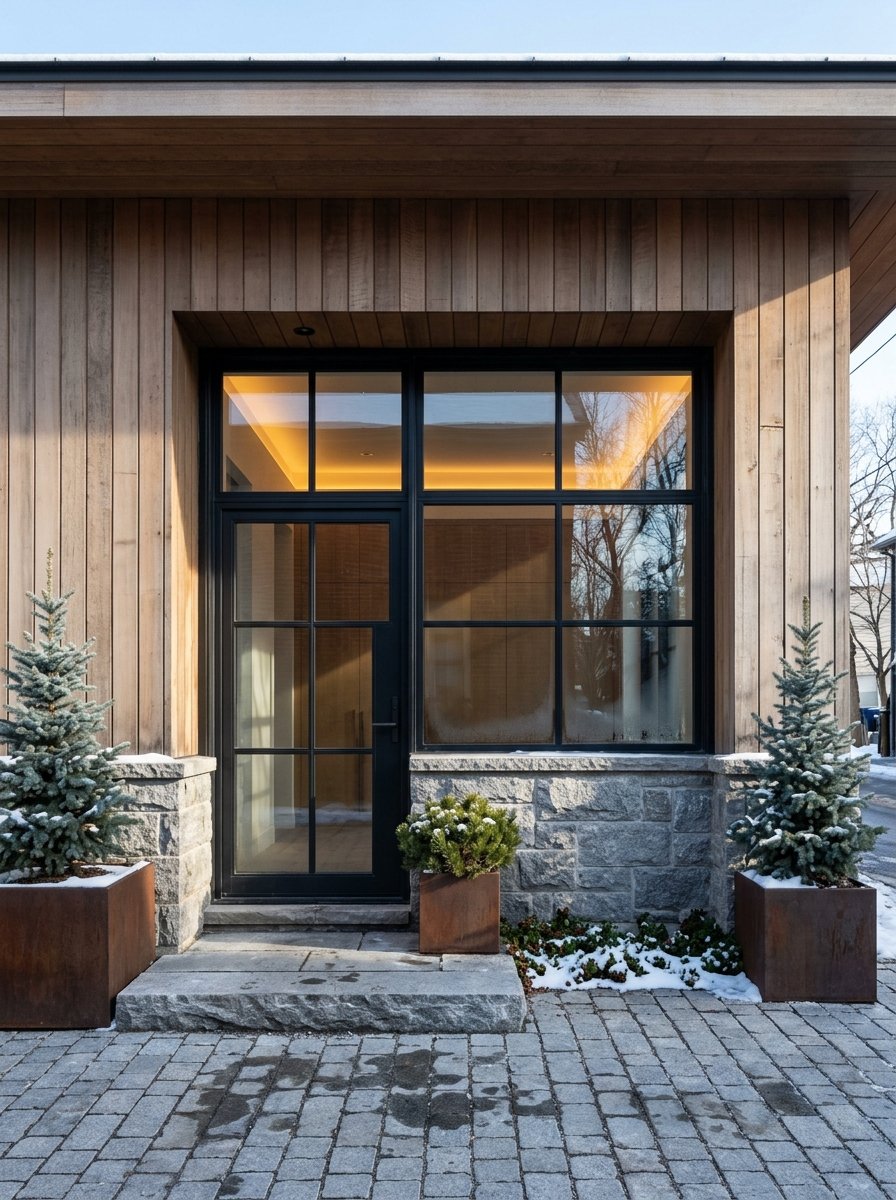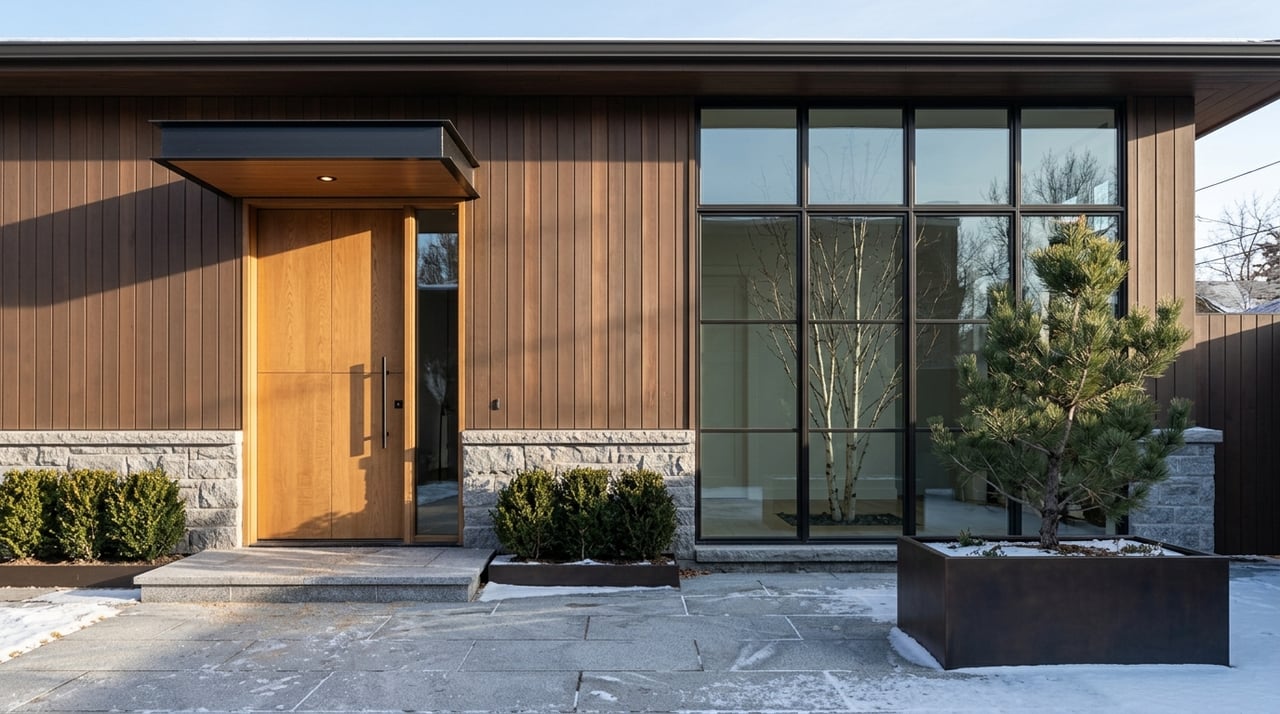
A downtown Aspen pied-à-terre can sound simple on paper: buy a small, well-located residence and enjoy easy access to restaurants, culture, skiing, and daily conveniences. In practice, the Downtown Core is one of Aspen’s most location-driven and regulation-sensitive ownership environments. If you are weighing a purchase here, it helps to understand how city planning, historic rules, short-term rental policy, parking, and renovation review can shape the ownership experience. Let’s dive in.
Why Downtown Core appeals
Aspen’s planning framework concentrates urban density in the commercial core, and the city’s Commercial Core & Lodging Commission is focused on supporting the vitality of downtown for business owners, locals, and visitors. For you as a buyer, that translates into a highly walkable area with a strong mix of services, shops, dining, and everyday access.
That planning approach also helps explain why the Downtown Core feels different from other parts of Aspen. This is not typically a detached-home environment. Based on Aspen’s land use framework and design rules, buyers should generally expect condos, lofts, upper-floor residences, and homes within mixed-use or lodging-oriented buildings.
What a pied-à-terre looks like here
If your goal is a lock-and-leave residence, the Downtown Core can be a natural fit. You are often trading acreage, privacy, and scale for immediate access and convenience. That can be the right choice if you want to step outside and be close to Aspen’s central activity without relying heavily on a car.
The Core also tends to be a scarce market shaped by location and regulation. Aspen’s own policies emphasize preserving urban character and historic buildings while concentrating density in the commercial center. That combination makes each building, block, and ownership structure worth evaluating carefully.
Historic character matters
A large part of downtown Aspen’s appeal is its historic setting. The city says the Commercial Core Historic District has a strong connection to Aspen’s 19th-century mining heritage, and nearly half of Commercial Core buildings are designated landmarks. Citywide, Aspen has nearly 300 historic properties.
For you, that means historic character is not just aesthetic. It can directly affect what you are allowed to change. A residence in a historic district or a building with individual landmark designation may face more review and tighter renovation constraints than a typical condominium in a non-historic setting.
Not all historic properties are reviewed the same way
This is an important distinction to clarify early. Aspen states that a property inside the Main Street Historic District or Commercial Core Historic District, but not individually designated as a landmark, is subject to the Commercial, Lodging, and Historic District Design Standards.
If the property is an individually designated landmark, it is subject to those standards as well as the Historic Preservation Design Guidelines. That can change the approval path, the design scope, and the timeline for improvements.
Short-term rental rules to check early
If rental flexibility is part of your strategy, Aspen’s short-term rental rules should be part of your diligence from the start. The city defines a short-term rental as occupancy of a residential unit for fewer than 30 days. Aspen also requires both a short-term rental permit and a City of Aspen business license for properties within city limits.
The city distinguishes between Lodging Exempt, Owner-Occupied, and Classic permits. For many Downtown Core buyers, the key detail is that individual owners of lodge or condo-hotel units cannot use the Lodging Exempt permit. They must use either a Classic or Owner-Occupied permit.
Why permit type can affect value
Aspen says Classic permits are not capped in the CC zone district, while they are capped in many residential districts. That makes permit classification especially relevant if you are comparing a Downtown Core residence to an ownership opportunity outside the core.
Permit logistics matter too. Aspen requires the full name of one person with an ownership interest on the application, and permittee information is non-transferable after issuance. If future flexibility matters to you, this is the kind of operational detail worth reviewing before you close.
Ongoing rental costs and compliance
The city lists annual permit fees of $148 per unit for STR-LE and $394 for STR-C and STR-OO, along with an annual STR business license fee of $150. Aspen also requires monthly lodging and short-term rental tax filings, due by the 20th of the following month.
There is another practical point to know. Aspen says a permit must show at least one short-term renter per year in tax filings to remain eligible for renewal. If you plan to rent only occasionally, that requirement still belongs in your planning.
HOA review is essential
In the Downtown Core, HOA diligence is often just as important as city diligence. Aspen’s short-term rental application packet can require an HOA compliance affidavit and a letter of approval. That city requirement is reason enough to review governing documents carefully.
Before closing, it is smart to confirm:
- Whether short-term rentals are allowed
- Whether board approval is required
- How parking is allocated
- Whether storage rights are deeded or limited
- The building’s assessment history
- Insurance coverage carried by the HOA
For a pied-à-terre buyer, these details can shape both convenience and future costs.
Renovation timelines may be longer than you expect
Many buyers assume a smaller downtown residence will be easier to update than a larger home. In Aspen, the review process can still be substantial. The city says most exterior work requires design review, and historic properties may also trigger Historic Preservation Commission review.
Timing matters here. Aspen notes that Historic Preservation Commission agendas are often full for months in advance. So if your purchase plan includes remodeling, even a straightforward project may involve a longer lead time before construction begins.
Building codes can influence renovation scope
Aspen adopted the 2021 I-Codes and local energy code amendments for permits submitted after March 31, 2023. The city says these updates expanded the Renewable Energy Mitigation Program and added measures tied to energy conservation, wildfire resiliency, and lower emissions.
For you, this means the unit’s condition matters as much as its layout or finishes. A property that looks like a simple cosmetic update may involve broader code-related considerations once work begins.
Parking and access shape daily life
A Downtown Core pied-à-terre works best when you are comfortable with a walkable, low-car lifestyle. Aspen says downtown core parking is enforced from 10 a.m. to 6 p.m. with a four-hour limit. The city also notes there is no parking from 3 a.m. to 7 a.m. for street cleaning and snow removal.
Aspen further states that electric vehicles must also pay for parking in the downtown core. So if parking is important to you, it is worth confirming whether the residence includes deeded, assigned, off-site, or otherwise limited parking before you commit.
The good news is that the city highlights multiple alternatives to driving. Aspen’s transportation resources emphasize free shuttles, the Downtowner door-to-door service, fare-free service to Snowmass Village, plus walking and biking as practical daily options.
Budget beyond the purchase price
Closing costs in Aspen include local transfer taxes that buyers should underwrite early. The city states that Aspen voters approved a 0.5% real estate transfer tax for arts and Wheeler support and a 1.0% transfer tax for housing.
The city also says transfer taxes are the purchasing party’s responsibility, and the 1.0% tax excludes the first $100,000 of consideration. In a market like Aspen, these costs can be meaningful, especially when paired with HOA dues, permit fees, and possible renovation expenses.
Current market context for condo buyers
For broad context, Aspen’s April 2026 market report shows a rolling 12-month median sales price of $3.4 million for Aspen townhouses and condos, with 63 units of inventory and 7.9 months of supply. This is not Downtown Core-specific data, but it is a useful benchmark if you are comparing condo ownership opportunities within Aspen.
That broader pricing context reinforces an important point. A Downtown Core pied-à-terre is often best viewed as a convenience and lifestyle asset first. It is not typically a substitute for the privacy, land, or scale you may find in other Aspen settings.
Questions to answer before you buy
A focused diligence process can make decision-making much clearer. Early in your search, make sure you can answer these questions:
- Is the property in CC, MU, a historic district, or an individually designated landmark?
- If you want rental flexibility, which short-term rental permit applies?
- Does the HOA allow the rental use you want?
- Is parking deeded, assigned, off-site, or effectively limited by city rules?
- What work would require design review or historic review?
- What local transfer taxes and recurring compliance costs should you budget for?
These are not minor details in the Downtown Core. They are part of what defines the ownership experience.
How to think about the right fit
The right downtown Aspen pied-à-terre is usually not just the prettiest residence or the most polished interior. It is the property whose location, building structure, rental rules, parking setup, and renovation profile align with how you actually plan to use it.
If you value being in the center of Aspen, want close access to daily amenities, and understand the review and compliance landscape, the Downtown Core can be a highly compelling place to own. The key is buying with clear eyes and local context.
For a discreet, highly informed perspective on Downtown Core opportunities, Palladium Group offers private consultation tailored to your goals in Aspen.
FAQs
What types of homes are common in Aspen’s Downtown Core?
- Based on Aspen’s land use framework and commercial core design rules, buyers should generally expect condos, lofts, upper-floor flats, and residences in mixed-use or lodging-oriented buildings rather than detached homes.
What short-term rental permit may apply to an Aspen Downtown Core pied-à-terre?
- Aspen requires a short-term rental permit and business license for eligible properties within city limits, and individual owners of lodge or condo-hotel units must use a Classic or Owner-Occupied permit rather than a Lodging Exempt permit.
What should you know about Aspen Downtown Core historic rules before renovating?
- Properties in historic districts or with individual landmark designation may face added design review, and designated landmarks can be subject to both general district standards and Historic Preservation Design Guidelines.
What parking issues matter when buying in downtown Aspen?
- You should confirm whether parking is deeded, assigned, off-site, or limited, since the city enforces downtown parking rules including daytime time limits and overnight restrictions for street cleaning and snow removal.
What local transfer taxes apply when buying Aspen real estate?
- Aspen says buyers are responsible for a 0.5% real estate transfer tax for arts and Wheeler support and a 1.0% transfer tax for housing, with the 1.0% tax excluding the first $100,000 of consideration.